Best Water Circulating Mattress Pads for Hot Sleepers: Stay Cool All Night
Whether you sweat through sheets or wake with a flushed face, a water circulating mattress pad can restore comfortable core temperatures. This guide highlights five top options, each suited for different sleep styles and budgets. Best for hot sleepers are systems with uninterrupted water circulation, while models emphasizing safety and material comfort suit sensitive sleepers. The table below summarizes standout picks and who they’re best for.
| Product | Best For | Key Benefit |
|---|---|---|
| Adamson B10 Aqua Cooling System (Twin) | Hot sleepers, menopausal sleep, those seeking cotton feel | 7–12°F cooling via evaporative water flow in 100% cotton pad |
| AquaPad Breeze (NEAT) | Tech-friendly users, risk-averse shoppers | UL Listed, low-voltage design with EvapoChill & SuperBlue tech |
| AquaPad CozyFlow (NEAT) | Quiet operation lovers | ETL/FCC certified, <20dB noise, dual-tank heating/cooling |
| Chilipad Cube Bed Cooling System (Sleepme CP500) | Comprehensive temp control | Water-based, remote-controlled 60–115°F range |
| Thermacycle Water Circulating Sleep Pad (Thermacycle) | EMF-conscious sleepers | Single-zone hydro design with EMF-free operation |
Adamson B10 Aqua Cooling System Twin

Best for hot sleepers who want natural, cotton comfort and safe cooling. This pad circulates chilled water under the sleeper, lowering mattress temperature by 7–12°F. It uses soft silicone tubes and avoids electrical coils, reducing EMF exposure. The 100% cotton surface stays cool to the touch even when the system is off. The Twin size is suited for single sleepers in smaller beds or couples who prefer separate cooling zones.
Why chosen: It emphasizes a cotton touch, a relatively broad cooling range, and wire-free operation, appealing to those who want straightforward cooling without plastics or overheating risks.
Caution: If you prefer rapid, high-speed cooling, you may find the gradual cooling pace of evaporative cooling less dramatic than some electric systems.
AquaPad Breeze Water Cooling Mattress Pad

Best for tech-forward buyers who want safe, low-voltage cooling. The AquaPad Breeze features UL-listed, USB-C powered operation and is designed to minimize fire and electrical risk. EvapoChill cooling transfers heat away from the body, and SuperBlue technology is claimed to boost efficiency. The product comes with a California-inspired design approach and strong U.S. customer support.
Why chosen: Its emphasis on safety and rapid cooling makes it a strong choice for risk-conscious buyers who still want strong cooling performance. It’s well-suited for bedrooms with limited electrical outlets because of its low-voltage design.
Caution: Some users may prefer a heavier or more plush pad; this model prioritizes cooling efficiency and safety over dense padding.
AquaPad CozyFlow Water Heated Mattress Pad
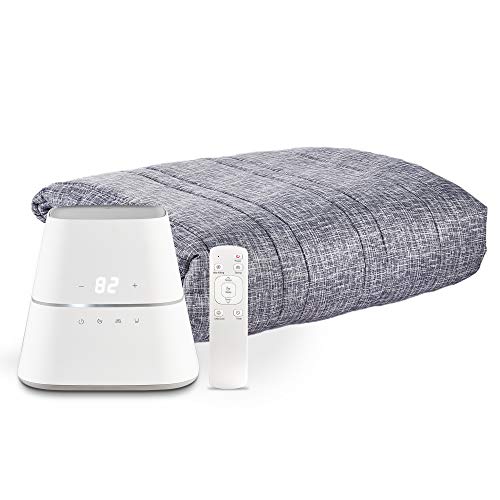
Best for sleepers who want quiet, consistent heat and cooling. CozyFlow uses AirQuiet technology for <20dB noise and dual-tank design for instant heat or cooling. It’s ETL listed and FCC certified, which helps reassure safety-minded buyers. The dual-tank system helps maintain a steady climate even if part of the system is temporarily off.
Why chosen: The combination of ultra-quiet operation and rapid heat/cool cycles makes it a reliable pick for couples with different temperature needs or for fall and winter use.
Caution: The heating function adds a warm option that may not be ideal for those who only want cooling year-round.
Adamson B10 Aqua Cooling System (Twin) — 100% Cotton Pad

Best for those who want a simple, cotton-textured cooling experience with strong moisture-wicking. This twin-sized pad uses evaporative cooling to cut the mattress temperature by 7–12°F while staying free of wires and EMFs. The cotton surface is naturally breathable, helping with airflow and comfort during long nights.
Why selected: It combines a soft cotton surface with effective cooling, appealing to shoppers who prioritize material comfort and safety. It’s a straightforward option for hot sleepers who dislike plastics or synthetic textures.
Caution: As with other water-based systems, installation and maintenance require following setup steps to prevent leaks or tube kinking.
Buying Guide: Water Circulating Mattress Pads
- Purpose and cooling vs. heating balance: Decide if you need cooling only, heat, or both. Some pads offer night-long cooling; others add heating for shoulder seasons.
- Power and safety: Look for low-voltage or EMF-free designs and certifications (UL, ETL, FCC). Ensure the system uses non-toxic materials and has clear safety guidelines.
- Surface material: Cotton or cotton-blend surfaces are cooler and breathable. PVC and other plastics may feel slick or trap heat.
- Noise level: If you sleep with a partner, pick models that advertise low noise (<20 dB) to avoid disturbances.
- Bed size compatibility: Confirm the pad size matches your mattress (twin, full, queen, king). Some systems offer dual-tank configurations for different sides.
- Maintenance: Check ease of cleaning, tubing accessibility, and whether toppers are machine washable or require spot cleaning.
- Ease of setup: Some pads require professional installation or a separate control unit; others are plug-and-play with simple remote controls.
Frequently Asked Questions
- Do water circulating mattress pads require a power outlet?
- Are these pads safe for pregnancy or menopause-related sleep issues?
- Can I use a pad with an adjustable bed frame?
- How easy is cleaning and maintenance for these systems?
- Do these pads affect mattress warranties?
FAQ Answers
- Yes, most pads require a power source for the control unit or pump, though many are designed with low-voltage safety in mind.
- Many models are marketed to help with menopause-related night sweats and general hot sleeper comfort, but consult product details for EMF and heating specs.
- Most pads fit standard adjustable bases, but verify dimensions and clearance for tubing and control units before purchasing.
- Maintenance typically involves checking for leaks, detaching the pad for occasional cleaning, and following manufacturer recommendations for tube care.
- Product manuals usually specify warranty terms; consult them to understand coverage on water circuits and fabric.