Best Pressure Point Relief Mattress Options for Bed Sore Prevention
When choosing a pressure-relief mattress, the goal is to evenly distribute weight, reduce shear, and improve circulation for those who are bedridden or have limited mobility. The following five products are selected for their design, targeted use, and practical features. They’re best suited for caregivers seeking reliable, hospital-grade or homecare solutions to prevent bed sores and support comfort during long-term use.
Buying quick summary table:
| Product | Best For | Key Benefit | Notes |
|---|---|---|---|
| Vive Original Alternating Air Mattress Pad | Bedridden or immobile users | 130 air cells with quiet pump | Best for continuous pressure relief |
| Lunderg Alternating Air Mattress Pad (Static Mode) | Caregivers needing flexibility | Quiet operation with Static mode | Great for alternating relief and non-alternation settings |
| Zinus Green Tea Memory Foam Mattress (12 inch) | All sleep positions | Zoned pressure relief and contour | Foam-based, suitable for mixed use |
| Drive Medical Decompressing Foam Mattress | Homecare and hospital beds | High-density foam with decompression | Includes removable cover; easy care |
| Kekoy Alternating Air Pressure Mattress Pad | Extended bed rest and long-term care | Advanced stage care with dual tech | Blue color option, large air cell count |
Vive Original Alternating Air Mattress Pad
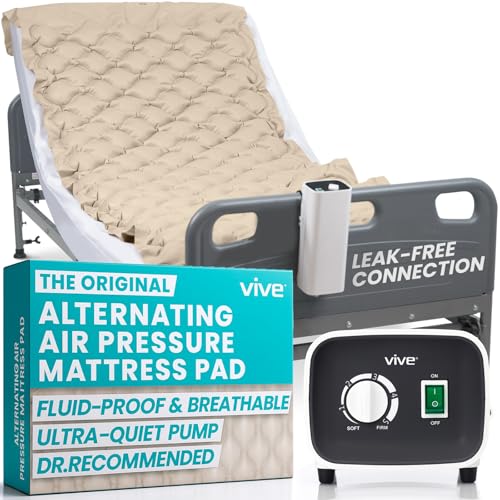
The Vive mattress pad uses an alternating pressure system designed to prevent bed sores and ulcers by evenly distributing weight and promoting circulation. It features 130 air cells arranged to respond to body contours, providing sustained relief for immobilized users. The whisper-quiet pump (around 22 dBA) offers multiple pressure levels for a customized experience, with each cycle lasting about six minutes. This setup is ideal for caregivers seeking a reliable, low-noise solution that reduces skin maceration and pressure buildup.
Best for: bedridden individuals who need continuous, gentle pressure relief and consistent airflow. This option is well suited for long nights and extended bed rest. Caution: users should monitor for any signs of skin irritation and ensure proper fitting of the mattress pad to prevent leakage or misalignment of cells.
Lunderg Alternating Air Pressure Mattress Pad (Static Mode)
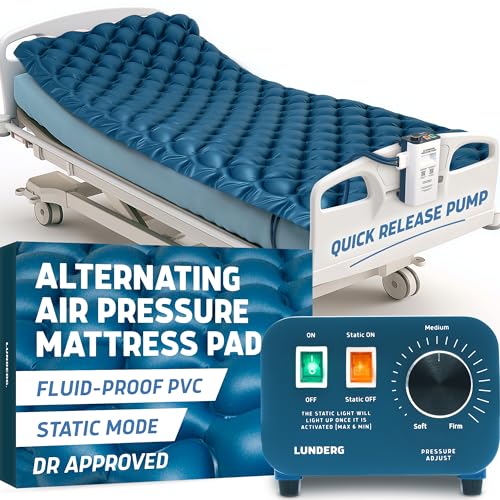
This Lunderg model adds an option for Static Mode in addition to alternating cycles, allowing caregivers to lock the cells in a stable full-inflation state for rest periods or non-therapy nights. The pump operates quietly at around 23 dBA, with precise soft-to-firm control. It supports up to 300 pounds, making it suitable for hospital beds or home setups. The package typically includes a durable surface and a 4-way stretch cover for comfort and durability.
Best for: users who benefit from adjustable relief patterns and a non-relief period for more restful sleep. A limitation to note is that switching between modes may require a short setup adjustment, and static mode may not provide full alternation benefits for all patients.
Zinus Green Tea Memory Foam Mattress (12 Inch)
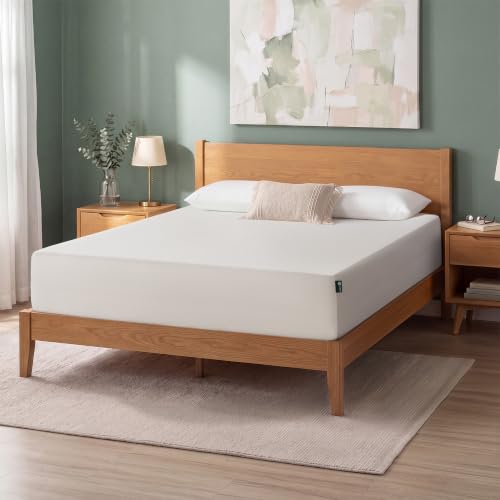
The Zinus Green Tea Memory Foam Mattress features patented zoned pressure relief and a medium-firm feel designed to contour to the body. The memory foam layer helps absorb movement, which can lead to fewer disturbances during the night. A breathable knitted cover and durable base foam work together to support different sleep positions with targeted cushioning and support. While not a dedicated pressure-relief air system, the zoned design addresses multiple pressure points along the body.
Best for: sleepers seeking body-contouring support and a steady, comfortable feel across positions. Not ideal for those who require active alternating pressure therapy; this is primarily a memory foam solution.
Drive Medical Decompressing Foam Mattress

Drive Medical’s decompression-focused foam mattress provides a robust surface designed to relieve pressure with a high-density foam core and a removable, fluid-resistant cover. The product is designed for homecare and hospital bed use and includes practical features such as corner straps and non-slip bottoms to keep the mattress in place. It’s a straightforward, durable option for those who value stability and simple maintenance.
Best for: caregivers seeking a dependable foam alternative that emphasizes decompression and skin protection. Limitation: it relies on foam rather than an active air-relief system, which may be less effective for severe ulcers requiring constant air-flow adjustments.
Kekoy Alternating Air Pressure Mattress Pad

The Kekoy mattress pad combines alternating pressure therapy with low air loss technology. It features 136 air cells and a medical-grade 4-way stretch cover that helps reduce friction while providing even weight distribution. The system cycles every roughly 10–12 minutes, with gentle inflation and deflation to minimize pressure concentration on vulnerable areas. The product is designed for extended bed rest and is suited for long-term care settings.
Best for: users requiring a thorough pressure-relief cycle and a protective cover for long durations. Caution: ensure compatibility with your bed frame and check for any fit issues with deep mattresses or specialized hospital beds.
Buying Guide: Key Factors To Consider
What type of relief system best fits my needs?
Air-pressure mattress pads with alternating cycles provide active pressure redistribution, ideal for preventing ulcers in immobile patients. Foam-based solutions offer contour and comfort but lack active cycling. Consider your care setting, mobility level, and the patient’s skin condition when choosing between air systems and foam systems.
How important is noise and ease of use?
Quiet pumps reduce sleep disturbances and improve adherence to therapy. Look for pumps rated under 25 dBA and consider whether you need multiple pressure levels or a static mode for rest periods.
What is the weight limit and durability?
Many hospital-grade options support up to 300 pounds or more. Ensure the pad or topper is compatible with your bed type (home, hospital, or chair) and has a durable, cleanable cover to withstand routine care and cleaning.
How easy is setup and maintenance?
Consider whether the product requires professional installation or simple plug-and-play operation. Removable covers, patch kits, and clear replacement parts can simplify long-term maintenance and hygiene.
How does the product address skin concerns?
Look for features like sealed air cells, low-friction covers, moisture control, and materials that minimize shear. These specifications help reduce the risk of skin breakdown and improve comfort for extended use.
FAQ
- What is the difference between alternating and static modes? Alternating modes periodically inflate and deflate cells to redistribute pressure; static mode keeps cells inflated for a stable surface, useful during rest periods.
- Are these mattresses suitable for home use? Yes, most options are designed for home care as well as hospital settings, with easy-to-setup configurations and washable covers.
- Can these prevent bed sores entirely? They reduce risk and help manage existing ulcers, but prevention also relies on position changes, skin care, and medical supervision.
- Do they require professional setup? Most can be set up by a caregiver, though some hospital-grade configurations may benefit from initial assistance.
- Which product is best for long-term bedridden care? Products with higher weight capacity, long cycle times, and durable covers—such as Lunderg or Kekoy models—are well-suited for extended use.