Best Options for a Mattress Without Foam or Latex
The search for a mattress without foam or latex is about avoiding common comfort layers while still achieving support, cooling, and alignment. This guide highlights five near-foam/near-latex alternatives from Sleep On Latex, Tuft & Needle, Treaton, and The Ethical Mattress Co. Each product is evaluated for who it’s best for, plus practical trade-offs. If you’re avoiding foam and latex entirely, note that several options still rely on natural materials in related layers or use open coil constructions to reduce foam exposure. The following selections target buyers seeking low-foam, low-latex experiences with clear reasoning for each pick.
Summary of chosen products
| Product | Core Benefit | Best For | Notable Limitation |
|---|---|---|---|
| Pure Green Natural Latex Mattress Topper — Soft (3 Inch) | Natural latex surface for cooling and pressure relief | Comfort-seekers who want a softer top layer on an existing mattress | Not a full mattress replacement |
| Kin By Tuft & Needle Firm 8″ Adaptive Foam Twin Mattress | Open-celled foam with breathable design | Budget-conscious sleepers needing firm support | Contains foam |
| Pure Green Natural Latex Mattress Topper — Medium Firm (2 Inch) | Medium firmness with instant contouring | Better for combo sleepers on a firm base | Not a full mattress |
| Kin By Tuft & Needle Firm 8″ Adaptive Foam Queen Mattress | Breathable foam with cooling relief | Small to mid-sized rooms, guests | Contains foam |
| Pure Green Natural Latex Mattress Topper — Firm (3 Inch) | Strong pinpoint support from latex surface | Side sleepers needing firm support | Contains latex |
Pure Green Natural Latex Mattress Topper – Soft – 3 Inch
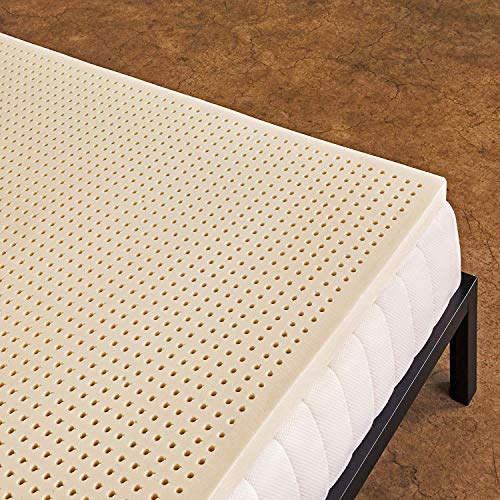
Brand: Sleep On Latex. Core feature: Soft surface that adds instant softness to a mattress. Material derives from natural latex harvested from organically grown rubber trees; latex foam inherently stays cool. This topper is best for softening a firmer base or for lighter sleepers who want gentler pressure relief. Caution: It is a topper, not a full mattress, so you’ll rely on an existing foundation for support.
Kin By Tuft & Needle Firm 8″ Adaptive Foam Twin Mattress

Brand: Tuft & Needle. Core feature: Open-celled adaptive foam designed to be breathable with better cooling than some traditional foams. It offers firm support and balanced pressure relief, making it suitable for guests or as a primary mattress in smaller bedrooms. Caution: It uses foam, so it’s not a foam-free option. Best for: sleepers who want a firmer, cooler sleep surface without lavish costs.
Pure Green Natural Latex Mattress Topper – Medium Firmness – 2 Inch
Brand: Sleep On Latex. Core feature: Medium firmness with instant body adaptation. Latex surface helps with heat dispersion, maintaining a cooler sleep. This topper is ideal for improving overall support without adding a bulky mattress replacement. Caution: Not a full mattress, so you still need a supportive foundation.
Kin By Tuft & Needle Firm 8″ Adaptive Foam Queen Mattress in a Box
Brand: Tuft & Needle. Core feature: Foam-based design intended for breathable, pressure-relieving support. This queen mattress is convenient for guest rooms or as a primary bed in compact spaces. Caution: Foam-based design means it may retain more heat than pure latex options. Best for: sleepers who want a compact, firm mattress with simple setup.
Pure Green Natural Latex Mattress Topper – Firm – 3 Inch
Brand: Sleep On Latex. Core feature: Firm surface for strong pinpoint support. Latex stays cool and supportive, ideal for combination sleepers who prefer a firmer feel. Caution: Like other toppers, this is not a standalone bed—requires a solid foundation. Best for: back sleepers or those who need stable alignment with minimal sinkage.
Treaton 1-Inch Natural Latex Mattress Topper

Brand: Treaton. Core feature: 100% natural latex topper, offering cooling and pressure relief. Very thin layer; highlights include breathable design and natural comfort. Caution: Only a 1-inch topper, so it won’t transform a very old mattress on its own. Best for: adding light lift to a worn surface without introducing foam materials.
Pure Green Organic Latex Mattress – Medium Firmness – Twin XL
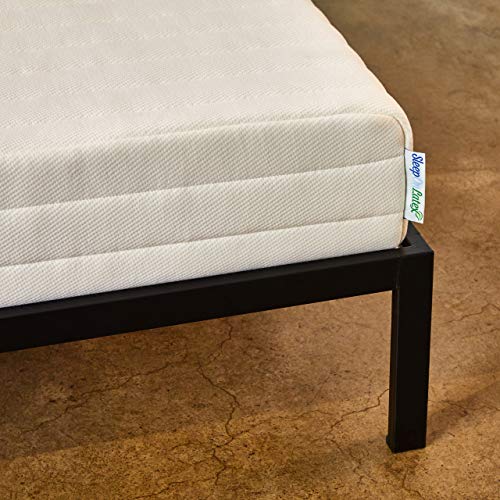
Brand: Sleep On Latex. Core feature: 8” organic latex foam with a quilted cover of organic cotton and wool. Medium firmness supports multiple sleep styles, with a Chicago-based manufacturing setup. Caution: Contains latex foam; not suitable for those avoiding latex entirely. Best for: side and back sleepers seeking a balanced, natural materials approach.
Ethical Mattress Co 10″ Toxin-Free Hybrid Mattress

Brand: The Ethical Mattress Co. Core feature: Toxin-free hybrid with organic cotton, wool, natural latex and pocketed coils. No fiberglass or polyfoam, and no foam encasement, aiming for exceptional airflow and cool sleep. Caution: Despite no foam encasement, the structure still uses latex; not completely foam-free in the surface. Best for: sleepers who want a fully natural layering approach with robust airflow and minimal synthetic components.
Buying Guide
What should I consider when buying a mattress without foam or latex?
- Support core: Look for solid coil-based or high-density foam substitutes that meet your preferred feel. A pocketed coil base often provides durability and motion isolation without relying on foam for structure.
- Top comfort layer: Natural latex can be an option for breathable, cooling surfaces; organic cotton or wool covers can contribute to temperature regulation. If you want absolutely no latex or foam, focus on innerspring designs with natural padding like cotton or wool.
- firmness level: Decide whether you want a firm, medium, or soft surface. Firm surfaces usually suit back sleepers, while softer surfaces may benefit side sleepers. Toppers can adjust feel without a full replacement.
- Allergen considerations: Organic materials reduce exposure to synthetic additives, but latex can be an allergen for some; ensure you’re not sensitive before choosing latex-containing items.
- Maintenance and durability: Natural materials generally wear differently. Toppers may need replacement sooner than full-mattress alternatives depending on usage and foundation.
What configuration best fits different sleep styles?
- Side sleepers: Look for medium to soft toppers or mattresses with pressure relief on shoulders and hips. Latex toppers help with contouring while staying cool.
- Back sleepers: A firmer surface may promote better spinal alignment. Consider a firm topper or a firm mattress with a supportive core.
- Combination sleepers: A balance of support and comfort is key. Medium firmness options or adaptive foams can accommodate changing positions, though they involve foam materials.
- Budget concerns: Foam-free options with coils and natural materials can offer good value when compared to fully latex mattresses.
How to compare these products quickly
- Check the core material: Latex toppers are great for cooling; foam mattresses offer varied support but can trap heat depending on design.
- Evaluate the setup needs: Toppers require a sturdy foundation; full mattresses need a compatible frame or base.
- Consider the intended room use: Guest rooms10 or small apartments benefit from compact, easily moved beds or box-in-a-box mattresses.
- Look for certifications: GOLS-certified latex or CertiPUR-US foams indicate material standards; verify the product details.
FAQ
- Q: Are there truly foam-free mattresses in this list?
- A: Several options emphasize natural latex or hybrid builds with minimal foam, but some entries clearly use foam in their core. If you must avoid foam entirely, focus on coil-based, natural-fill configurations with no foam encasements.
- Q: Do latex toppers constitute a full foam-free solution?
- A: Latex toppers add a surface layer but do not replace the underlying mattress’s core structure; they can reduce reliance on foam in the sleep surface.
- Q: Is a toxin-free mattress worth it for chemical sensitivity?
- A: Toxin-free products minimize synthetic additives, which may benefit sensitive sleepers, especially when combined with natural materials such as organic cotton, wool, and natural latex.
- Q: What’s the best choice for cooling?
- A: Latex and open-coil designs tend to stay cooler due to better air circulation and pressure distribution. Avoid dense memory foams if temperature is a priority.
- Q: How long should a foam-free or low-foam mattress last?
- A: Durability depends on materials and construction. Hybrid coils with natural layers can provide longer life when properly cared for.
Note: This article provides a structured comparison based on available product descriptions. It aims to help buyers identify options that align with a foam- and latex-light preference while staying informed about material trade-offs. For the most accurate recommendations, confirm current product details and certifications on the official Amazon listing before purchasing.