Best Mattresses for People Avoiding Foam: Non-Foam or Low-Foam Alternatives to Consider
What buyers want: comfortable support without memory foam or polyurethane foam components. This guide highlights five options that align with the idea of “no foam” or minimal foam use, while explaining how each product with foam features compares for different sleep needs. It also clarifies which buyers should avoid foam-heavy beds and what to look for when seeking non-foam comfort. The focus is on models that reduce foam reliance or substitute with other support systems, alongside practical buying insights for back, side, and stomach sleepers.
Summary of selected products:
| Product | Type Insight | Best For | Notes |
|---|---|---|---|
| EGOHOME Full Size Memory Foam Mattress, 8 Inch | Foam-based with cooling gel | Light to moderate foam lovers seeking cooling sleep | Contains memory foam; not foam-free |
| Zinus Green Tea Memory Foam Mattress 10 Inch, Queen | Foam-based with green tea infusion | Value seekers wanting pressure relief | Not non-foam |
| Lukace 10 Inch Queen Mattress | Gel memory foam with no fiberglass | Families needing safe materials | Foam core, gel infusion |
| Zinus 10 Inch Green Tea Cooling Memory Foam Mattress, Queen | Gel memory foam with cooling features | Hot sleepers who want temperature regulation | Foam-forward design |
| Zinus Green Tea Memory Foam Mattress 6 Inch, Twin | Compact foam option | Guest rooms or kids’ rooms | Foam-centric |
EGOHOME Full Size Memory Foam 8 Inch Mattress

Best for sleepers who want pressure relief with a medium-firm feel and cooling features. This full-size mattress uses memory foam designed to conform to body curves, absorb movement, and relieve joints. Its bubble-hole structure supports airflow, while the natural green tea gel helps regulate temperature for a cooler night. It is CertiPUR-US certified, indicating tested foam materials and emissions levels. Suitable for combination sleepers who change positions and want quiet turns without momentum transfer.
- Best for: Couples or individuals needing balanced support without excessive sinkage.
- Better for: Sleepers who prioritize temperature regulation and joint comfort.
- Limitations: Foam-based design may not meet expectations for those specifically seeking foam-free options.
Zinus Green Tea Memory Foam Mattress 10 Inch

This queen-size memory foam mattress emphasizes zoned pressure relief and a medium-firm feel. It combines a breathable knitted cover with a durable base foam to deliver contouring support and motion isolation. The green tea infusion is positioned to help maintain a fresh feel over time. It’s a practical choice for sleepers who want a steady, personalized cradle that moves with the body and maintains alignment through various sleep positions.
- Best for: Sleepers who value tailored pressure relief across zones and reduced motion transfer.
- Better for: Those who desire a breathable cover and a stable, long-lasting base foam.
- Limitations: Contains memory foam; not a true non-foam option.
Lukace 10 Inch Queen Gel Memory Foam Mattress

Designed for back pain relief with a medium-firm feel, this gel memory foam mattress aims to provide quick rebound and cool sleeping nights. It is fiberglass-free and certified safe materials, addressing concerns about potentially harmful additives. The multi-layer foam structure supports various sleep positions while reducing sinking. A caveat: buyers should allow 24–72 hours for full expansion, which is typical for foam-based mattresses and may delay immediate usability.
- Best for: Families seeking a safe, multi-layer foam system with cooling features.
- Better for: Back and side sleepers who want consistent contouring and reduced motion transfer.
- Limitations: Odor or expansion time can occur after unboxing.
Zinus 10 Inch Green Tea Cooling Memory Foam Mattress

A queen-size option that emphasizes cooling with memory foam plus green tea infusion. The cooling gel foam is designed to regulate temperature, while the all-night freshness claim points to odor-controlled infusions. It pairs a breathable cover with a memory-foam core to deliver pressure relief and support, especially for hot sleepers and those who wake due to discomfort.
- Best for: Hot sleepers seeking temperature regulation and comfort in a foam mattress.
- Better for: Side and back sleepers who want a cooler sleeping surface.
- Limitations: Foam-heavy construction may not suit buyers explicitly avoiding foam.
Zinus Green Tea Memory Foam Mattress 12 Inch King
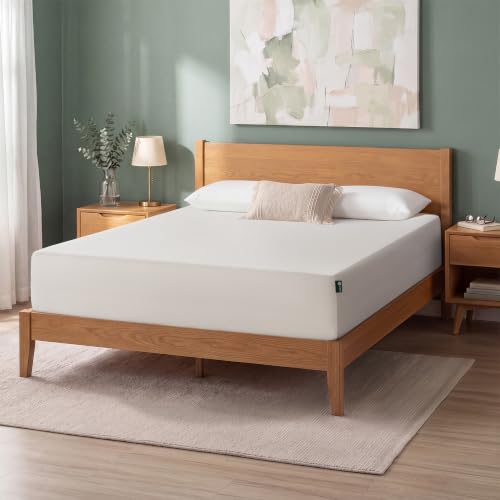
A larger king-size option offering the familiar zoned pressure relief and medium-firm feel. It combines a breathable cover with a dense base foam for long-term support, designed to minimize motion transfer across the surface. While it promotes overall comfort, the foam foundation remains a consideration for buyers seeking non-foam alternatives or those wary of foam odors or sinking.
- Best for: Couples needing ample surface area with stable, long-term support.
- Better for: Sleepers who want robust contouring and less motion disturbance.
- Limitations: Not a non-foam product; may not satisfy a strict “no foam” requirement.
Buying Guide: Key Considerations For Non-Foam Or Low-Foam Sleep Solutions
What does “no foam” really mean in practice? For many shoppers, it means seeking mattresses with minimal memory foam or polyurethane foam, or opting for alternatives such as latex, innerspring, or coil-based systems. Consider these questions when evaluating options:
- What sleep position do you mostly use? Back sleepers often need robust support; side sleepers benefit from pressure relief, while stomach sleepers may require firmer surfaces to prevent sagging.
- Do you have allergies or sensitivities to foam components? Look for certifications like CertiPUR-US or OEKO-TEX, and check for fiberglass-free designs when relevant.
- Is temperature regulation important? Gel-infused foams, breathable covers, and open-cell structures can help keep the surface cooler, but true non-foam options may offer different cooling dynamics.
- What is the budget and durability expectation? Foam mattresses often balance cost with long-term support; non-foam alternatives might vary in price and lifespan depending on construction.
- What is the unboxing and expansion timeline? Foam-based beds typically expand after unpacking; plan for the initial off-gassing and some time before full firmness settles.
Practical non-foam or low-foam alternatives to explore
- Latex mattresses: Natural or synthetic latex provides buoyant support with less sinking than memory foam. Often a good choice for back and stomach sleepers seeking responsiveness.
- Innerspring or hybrid coils: Beds with coil systems paired with natural ticking fabrics offer durable support and airflow without heavy reliance on foam layers.
- Gel-infused foams with specific non-foam cores: Some models use a reduced foam approach while prioritizing a robust spring or latex core.
Common questions buyers ask
- Are memory foam mattresses suitable for back pain? They can offer targeted contouring, but a non-foam option may reduce long-term sinking for some users.
- Do non-foam mattresses sleep cooler? Some non-foam cores promote airflow; foam-infused options vary.
- How should I choose the right firmness? Firmness depends on weight distribution and sleeping position; test or reference product descriptions for recommended ranges.
- Is a non-foam mattress more expensive? Price depends on core materials, build quality, and brand; some foam-free options provide long-term value due to durability.
Note: The five selected products above are memory foam-based with cooling and gel features. For buyers specifically seeking mattresses with no foam at all, consider exploring latex, innerspring, or hybrid models that minimize or exclude memory foam layers. Use the buying guide to compare non-foam options against these foam-forward models and identify the best match for your sleep needs and budget.