Best Mattresses With Natural Materials for Clean Sleep and Support
Looking for a mattress that uses natural materials and avoids fiberglass or petrochemical foams? This guide highlights five top picks that emphasize organic cotton, wool, latex, or plant-based foams. Each option is suited to different sleep needs—from cooler sleep to targeted pressure relief. Read on to see which mattress best fits your priorities, including who should consider each model and why.
| Product | Key Material Focus | Best For |
|---|---|---|
| COTTON SLEEP All Natural Mattress (Queen) | Organic cotton, wool, latex; pocket coil | Hot sleepers wanting natural cooling |
| Zinus Green Tea Memory Foam Mattress (King) | Memory foam with green tea infusion | People who prefer contouring support |
| COTTON SLEEP All Natural 11″ Mattress (King) | Organic cotton, wool, latex; pocket coil | Larger sleepers needing spacious size |
| COTTON SLEEP All Natural 11″ Mattress (Twin) | Organic cotton, wool, latex; pocket coil | Smaller bedrooms or tighter spaces |
| Happsy Organic Hybrid Mattress (Queen) | Organic latex, encased coils | Universal comfort with natural materials |
COTTON SLEEP All Natural Mattress – Queen

The COTTON SLEEP All Natural Queen mattress emphasizes a fully natural setup with 100% certified organic cotton, wool, and latex. It uses an adaptive core with individually wrapped steel coils to provide targeted support, reduce motion transfer, and enhance airflow. The design prioritizes a cooler, more breathable sleep surface for those who overheat at night. Best for hot sleepers who want a non-toxic, fiber-rich foundation that still offers a plush feel. Caution: heavier individuals should verify coil support limits for long-term durability.
COTTON SLEEP All Natural 11″ Mattress – King
This King-size option blends organic cotton, wool, and latex with a pocket-coil system and a plush foam layer, delivering a medium soft feel. It’s best for couples who want responsive support and a cooler sleeping surface due to breathable natural fibers. It provides motion isolation suitable for partners. Limitation: the 11″ profile may feel firmer for lighter sleepers who prefer a more cushioned surface at first contact.
COTTON SLEEP All Natural 11″ Mattress – Twin
Similar construction to the queen and king variants, this twin offers the same organic cotton, wool, and latex combination with adaptive core coils. It’s an excellent pick for single sleepers in smaller rooms or guest rooms who want a natural, non-toxic sleep surface. Best for individuals prioritizing natural materials over synthetic foams. Caution: Twin size coils might feel slightly less supportive for very tall or heavier users over time.
Happsy Organic Hybrid Mattress – Queen
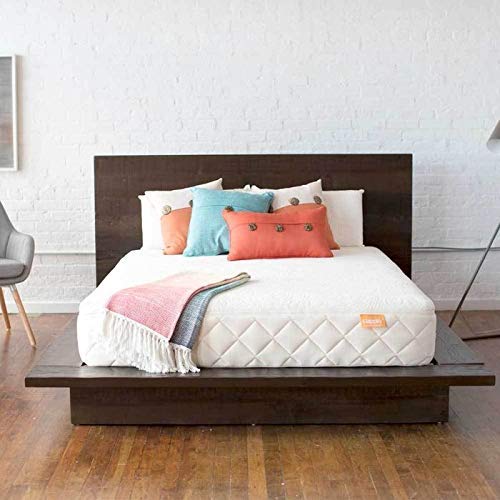
The Happsy Organic Hybrid combines organic latex with encased coils to offer a firm yet comfortable support system. It is designed to be free of petrochemical polyfoams and fiberglass, aligning with certifications like GOTS and GREENGUARD for low chemical emissions. This model is best for sleepers seeking robust, universally comfortable support with a natural material emphasis. Caution: some may prefer a softer feel and should assess the latex firmness level in relation to personal comfort preferences.
Ethical Mattress Co 10″ Toxin-Free Hybrid – King

The Ethical Mattress Co highlights a toxin-free construction with organic cotton, wool, latex, and pocketed coils. It lacks fiberglass and polyfoams, prioritizing airflow with no foam encasement. The top latex layer aims to reduce pressure while promoting cool sleep. Best for sleepers who want a breathable, foam-free experience without sacrificing support. Limitation: the no-foam design might feel firmer to those who prefer plush initial sinking.
Buying Guide: Natural Materials For A Better Sleep
- Material lineup: Look for 100% certified organic cotton, natural wool, natural latex, and plant-based foams. These materials support better breathability and lower chemical exposure.
- Coil systems: Pocket coils with adaptive core technology improve targeted support and reduce motion transfer. Consider coil count and gauge for durability and support level.
- Cooling vs. cushioning: Natural fibers like cotton and wool help with temperature regulation. Latex adds bounce and support without excessive heat retention.
- Certifications to trust: Certifications such as GOTS, GREENGUARD, CertiPUR-US (for foams where applicable), and non-toxic claims help verify safer materials.
- Care and durability: Check whether the mattress uses fiberglass-free construction and the expected lifespan based on the materials used and coil system.
- Room and size considerations: For smaller rooms, twins or fulls with natural materials can save space while maintaining comfort. For couples, ensure the model offers good motion isolation and support on larger sizes.
- Budget and value: Natural-material mattresses often command a premium. Weigh the benefits of organic textiles, longevity, and cooling against price.
FAQ
- Are mattresses with natural materials more breathable? Yes, natural fibers like cotton and wool tend to be more breathable and can improve temperature regulation compared to some synthetic foams.
- Do natural-material mattresses wear differently? They can be durable, especially with a strong coil system, but performance depends on material quality and construction.
- Is latex better than memory foam for natural materials? Latex is a natural alternative with good bounce and cooling, while memory foam offers contouring and motion isolation. The choice depends on preference and sleep position.
- What does “fiberglass-free” mean? It means the mattress avoids fiberglass as a fire barrier, reducing potential exposure to particles during shipping or wear.
- How do organic materials affect allergy considerations? Organic cotton and wool are less likely to contain synthetic allergens; however, testing for individual sensitivities is advised.
- Are these mattresses covered by trials or guarantees? Specific terms vary by brand; refer to each product page for trial periods and return policies.