Best Mattress Alternatives to Stop Snoring for Quiet Nights
Answering the search intent for a better night’s sleep, these trusted snoring aids offer non-invasive options to keep airways open and reduce nighttime noises. This guide highlights five top picks, who they’re best for, and why they’re worth considering. It’s ideal for side sleepers, back sleepers, couples seeking quiet nights, and anyone wanting to try a non-prescription solution before exploring medical advice.
Summary of selected products:
| Product | Best For | Why It Stands Out |
|---|---|---|
| Anti Snoring Devices (8 Pack) Silicone Magnetic | Both Genders, Light Snorers | Comfortable silicone, reusable, nasal airflow boost |
| Anti Snoring Devices, Silicone Magnetic Nose Clip | Light to Moderate Snorers | Simple nose clip design, medical-grade silicone |
| Side Sleep Trainer for Positional Sleep Apnea | Back Sleepers Needing Position Help | Gently prevents back sleeping with adjustable straps |
| Asonor Snoring Nasal Spray | Those Comfortable with topical solutions | Fast-acting throat/open airway support |
| Anti Snoring Spray by Redshine | Morning Freshness Seekers | High effective rate claims and convenient use |
Product Sections
Anti Snoring Devices (8 Pack) Silicone Magnetic

The silicone magnetic anti snoring devices are designed for both men and women seeking a comfortable, reusable nasal solution. The soft silicone surface offers gentle wear and a barely noticeable feel during sleep. This product focuses on maximizing nasal airflow to reduce snoring by opening nasal passages and helping the tongue rest naturally.
Best for: Light to moderate snorers who want a reusable, easy-to-clean option without complex setup. It’s suitable for individuals who prefer a clip-style nasal aid over sprays or pillows.
Limitations: Some users may require a period of adaptation to the magnetic tips and fit. Not a substitute for medical advice in severe sleep apnea cases.
Anti Snoring Devices, Silicone Magnetic Nose Clip

This nasal clip uses medical-grade silicone and a magnetic mechanism to widen the nasal passages for easier airflow. It’s a straightforward, low-profile option designed to reduce snoring by improving airway access during sleep.
Best for: Snorers who want a compact, clip-on solution with a simple, drug-free approach. Ideal for travelers and light snorers who prefer minimal equipment.
Limitations: Some wearers may experience sensitivity to metal components or require a device break-in period for comfort.
Side Sleep Trainer for Positional Sleep Apnea

This sleep positioner uses three adjustable straps and a foam pad to discourage back-sleeping and promote side-sleeping. It’s designed for people with positional snoring or mild sleep apnea who need consistent positioning help without restricting movement.
Best for: People who snore primarily when on their back and want a comfortable, non-slip solution that stays in place through the night.
Limitations: The device is bulkier than clips or sprays and may feel noticeable to some during initial use.
Asonor Snoring Nasal Spray

This nasal spray aims to gently open throat and airway passages to reduce snoring. It’s positioned as a fast-acting solution that can be used nightly for potential improvements in breathing during sleep.
Best for: Sleepers who prefer a spray you can administer nightly to support open airways without mechanical devices.
Limitations: Effectiveness can vary by individual; some users may experience minimal benefit depending on anatomy and snoring causes.
Anti Snoring Spray Stop Snore

This spray is meant to keep the nose and airway open, aiming to reduce snoring caused by airway blockage. It’s marketed with professional development and a claimed high effective rate, suitable for those who prefer a non-device approach.
Best for: Individuals seeking a spray solution that may offer quicker relief without wearing a device at night.
Limitations: Results can vary; sprays may require consistent nightly use for ongoing benefits.
AOSSA Snoring Pillows Side Sleep
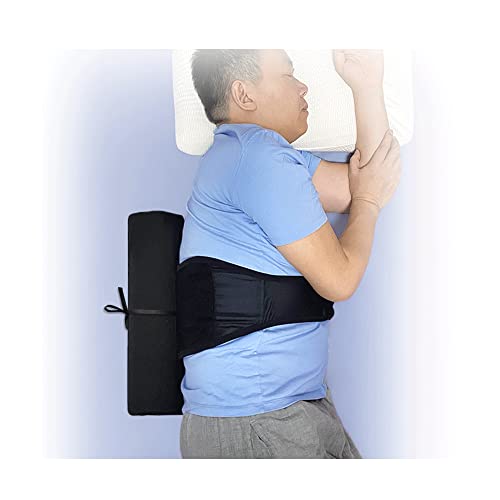
Designed to encourage side sleeping, this two-piece pillow system includes an adjustable belt to help keep you on your side. It’s intended to reduce snoring by preventing back-sleep positions that often worsen symptoms.
Best for: Back sleepers who want a supportive, position-based approach that’s comfortable enough for all-night wear with minimal movement.
Limitations: Some users may find the belt effect noticeable, especially if already comfortable in a preferred position.
Vekkia King Bed Wedge Pillow
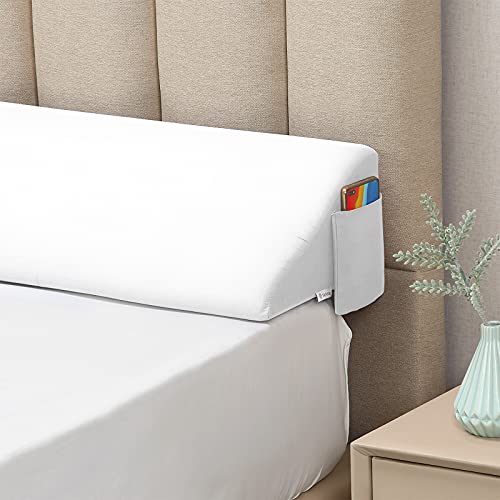
This bed wedge fills gaps between the mattress and headboard to prevent items from slipping and to support a natural sleeping posture. It uses high-density foam for lasting support and helps maintain a comfortable alignment for various sleeping styles.
Best for: Sleepers worried about items falling into gaps or needing subtle support to maintain a natural sleeping angle.
Limitations: It’s a larger accessory and may require space adjacent to the bed or headboard for proper setup.
Buying Guide
What type of snoring aid should you choose?
Consider whether you prefer a non-invasive device (clip, spray, pillow) or a positional solution (body belt, wedge pillow). Your sleep position, comfort with wearing a device, and tolerance for sprays all influence the best option.
How to evaluate fit and comfort?
Look for soft materials and adjustable features. A product that stays in place without causing pain or skin irritation tends to perform better over multiple nights.
Is daily use necessary?
Some solutions claim immediate effects, while others may require consistent nightly use. Prioritize products with clear usage instructions and reasonable expectations.
Which combination works best?
For many, a combination approach—such as a positional sleeve or wedge pillow plus a nasal spray—can address multiple snoring causes, including airway blockage and sleep posture.
Safety and suitability considerations
Always consider medical advice for severe sleep apnea or chronic snoring. If you experience breathing difficulties, dizziness, or chest discomfort, consult a clinician before using snoring aids.
FAQ
- Can snoring aids replace medical treatment? They can help with mild snoring and positional issues but are not a substitute for medical evaluation in cases of sleep apnea.
- Are nasal clips comfortable for all-night wear? Comfort varies by user; look for medical-grade silicone and adjustable fits to increase tolerance over time.
- Do sprays work instantly? Some users report quick relief, but effectiveness can depend on anatomy and nightly consistency.
- Can these aids cause skin irritation? Some products use silicone or soft fabrics; monitor for irritation and discontinue if redness or itching occurs.
- How long should I try a new product? Give it at least two to four weeks to assess benefits and adapt to any new sensation during sleep.
- Is overnight use safe for all products? Most are designed for nightly use, but always follow label directions and consult a professional if you have concerns.