Best Latex Versus Wool Mattress Options for a Restful Sleep
If you’re weighing latex against wool for a mattress, this guide highlights practical, clearly compared options. This selection targets different sleeper needs: latex-focused beds for durable support and pressure relief, wool-inclusive designs for natural temperature regulation and hypoallergenic comfort. The top picks include firm latex, toxin-free hybrids with latex layers, and wool-based toppers for added softness. The buyer’s table below summarizes key details to help you choose quickly.
| Product | Core Material Focus | Size Options | Best For |
|---|---|---|---|
| Pure Green Organic Latex Mattress — Firm — King | 8″ organic latex foam | King | Firm support with balanced pressure relief |
| Ethical Mattress Co — 10″ Toxin-Free Hybrid Mattress (King) | Organic cotton, wool, latex with pocketed coils | King | Natural materials with zoned support and airflow |
| Pure Green Organic Latex Mattress — Firm — Full | 8″ organic latex foam | Full | Durable, all-latex support |
| Sleep and Beyond myWoolly Latex Topper | Wool and latex topper | Queen | Enhances wool/latex comfort on existing mattresses |
| Pike’s Brand GTOS Organic Cotton, Wool & Latex Mattress — 8″ (Queen) | Organic cotton and wool with latex layers | Queen | No springs, natural materials, balanced firmness |
Note: This table includes the main buyer considerations—core materials, sizes, and who benefits most from each option. For detailed product pros and cautions, scroll to each product section below.
Pure Green Organic Latex Mattress — King (Firm)
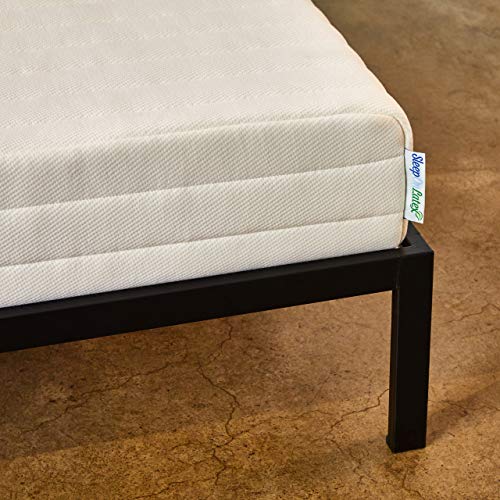
Best for: Sleepers who want durable, all-latex support with moderate give. This bed uses 8 inches of organic latex foam with a quilted organic cotton and wool cover, designed and packaged in a Chicago factory. It offers firm support, good pressure relief, and natural materials that appeal to sleepers seeking a chemical-free option.
Why selected: This model emphasizes long-lasting latex for consistent spinal alignment. The combination of organic cotton and wool enhances breathability and adds a touch of plush compression without sacrificing support.
Caution: The firmness level may feel too stiff for strict side sleepers; consider a softer option if you prefer more contouring.
Ethical Mattress Co 10″ Toxin-Free Hybrid Mattress — King

Best for: Sleepers seeking a toxin-free hybrid with natural materials and strong airflow. Features include a top layer of organic latex for pressure relief, a base of pocketed coils for adaptive support, and no foam encasement to maximize airflow.
- Materials: Organic cotton, wool, latex, pocketed coils
- Key benefit: Reduced motion transfer and better heat dissipation through an all-natural structure
Why selected: This model targets buyers prioritizing toxin-free construction and natural materials while delivering solid support across different sleep styles.
Caution: Because it uses a coil base, the edge support is tied to coil design; sleepers who crave ultra-burst firmness might want to test the boundary feel firsthand.
Ethical Mattress Co 10″ Toxin-Free Hybrid Mattress — Twin
Best for: Twin sleepers or smaller rooms where toxin-free, natural materials matter. The same construction as the king version applies, with a pressure-relieving latex top and supportive coils to promote alignment.
- Materials: Organic cotton, wool, latex with pocketed coils
- Key benefit: Maintains airflow with no foam encasement
Why selected: Offers a consistent toxin-free option in a smaller size without sacrificing the natural materials you want.
Caution: The twin size may have less surface area for couples or highly active sleepers.
Pure Green Organic Latex Mattress — Firm — Full
Best for: Fans of all-latex firmness who want a full-size option with the same GOLS-certified latex and natural cover materials.
- Key feature: 8″ organic latex foam, quilted cover of organic cotton and wool
- Material integrity: Chicago-assembled and designed for durable performance
Why selected: Matches the king variant in firmness and materials, offering a consistent latex feel across sizes.
Caution: Some guests or partners may find the full-size too compact if you prefer the firmness distribution of larger beds.
Sleep and Beyond MyWoolly Latex Topper

Best for: Enhancing existing mattresses with natural wool and latex for added contouring and temperature regulation. This topper suits sleepers who want a softer, wool-enhanced surface without replacing the bed.
- Comfort layer: 100% wool fibers with latex noodles for plush, responsive support
- Breathability: Wool naturally wicks moisture and adjusts to temperature changes
Why selected: It adds a natural layer of comfort and resilience, particularly beneficial for wool-lovers or latex-adjacent comfort seekers.
Caution: The topper is 3 inches thick; those seeking major changes in firmness may need a different option or layering with a mattress.
Pike’s Brand GTOS Organic Cotton, Wool & Latex Mattress — Queen

Best for: Sleepers seeking a springless, all-natural surface with balanced support from cotton, wool, and latex layers. This bed emphasizes hypoallergenic qualities and sustainability.
- Layering: Organic cotton and wool with latex layers, no springs
- Health emphasis: Hypoallergenic and tailored for sensitive sleepers
Why selected: A practical all-natural alternative that avoids foam encasement and uses a straightforward, breathable construction.
Caution: Without springs, edge support can feel different from hybrid coil designs; consider placement and room layout accordingly.
Buying Guide: Latex vs Wool Mattress Essentials
- Materials and construction: Compare latex-only beds with wool-inclusive hybrids. Latex offers durable, consistent support; wool adds temperature regulation and a natural feel.
- Firmness and pressure relief: All-latex beds tend toward firmer support, while wool and latex combos can add plushness. Consider your sleep position for ideal contouring.
- Temperature management: Wool naturally wicks moisture and breathes well; latex also breathes, but wool can enhance moisture control in hybrids.
- Allergen considerations: Latex allergies are rare but possible; choose wool-hybrid options if you prefer plant- or sheep-based fibers and avoid potential irritants.
- Durability and lifecycle: All-latex mattresses generally maintain support longer; hybrids depend on coil systems and cover materials.
- Certifications and sustainability: Look for GOLS-certified latex and Oeko-Tex or GOTS-grade wool/cotton where possible for transparency and environmental stewardship.
- Care and maintenance: Wool toppers may require rotation and careful cleaning; latex layers are typically low-maintenance but must be kept dry.
Frequently Asked Questions
- What is the main difference between latex and wool mattresses?
– Latex provides consistent support and durability; wool adds natural temperature regulation and breathability, especially in hybrids and toppers. - Are latex mattresses good for back sleepers?
– Yes, with proper firmness, latex can support spinal alignment and minimize pressure points for back sleepers. - Do wool mattresses sleep hot?
– Wool is naturally breathable and moisture-wicking, which helps prevent heat buildup in many cases. - Should I choose a toxin-free mattress?
– If chemical exposure is a concern, toxin-free hybrids with latex and natural fibers can reduce synthetic foam content. - Can a wool topper improve an existing latex mattress?
– Yes, a wool topper can add cushioning and regulate temperature without altering core support. - What size should I pick if unsure between firmness options?
– Start with a medium-firm option to balance contour and support, then adjust if needed after a trial period.