Best 60×80 Camper Mattress for Comfortable RV Sleep
For anyone shopping a 60 x 80 camper mattress, choosing the right model hinges on how you sleep on the road. This guide highlights five top options that balance support, temperature control, and durability for different camper setups. The best pick depends on whether you want a firmer surface for back sleepers, a plush feel for side sleepers, or cooling technology for warm climates. The table below offers a quick snapshot of the featured products and their key strengths.
| Product | Size | Best For | Notes |
|---|---|---|---|
| WanderRest Cool Hybrid 10” RV Mattress | 60×80, Queen | Average to back sleepers seeking cooling and support | Hybrid with cooling gel memory foam and pocketed coils |
| WanderRest 12” Cool Hybrid RV Mattress | 60×80, Queen | Side sleepers needing hugging contour | Heavier, multi-layer cooling foam with coils |
| Celestial Sleep 8 Inch RV Short Queen | 60×80, Short Queen | Budget-friendly, firmer surface | CertiPUR-US, fiberglass-free |
| Therapedic 6-inch Copper Memory Foam RV Mattress | 60×80, Standard Queen | Compact spaces, cool sleep | Copper-infused memory foam |
| Serenia Sleep Queen Mattress for RV Camper | 60×80 | All-around comfort, open-cell foam | Foam core with damask cover |
WanderRest Cool Hybrid 10” RV Mattress (60×80)

Best for campers needing balanced support with cooling features. This 10″ hybrid mattress combines cooling gel memory foam, HD comfort foam, and pocketed coils for even pressure relief and minimal motion transfer. The HD edge system adds perimeter stability, reducing partner disturbance. Ideal for RVs, fifth wheels, and motorhomes in warmer climates.
Who it’s for: Back and combination sleepers who want a cooler sleeping surface and strong edge support. Caution: Heavier individuals may prefer thicker models for extra support over time.
WanderRest 12” Cool Hybrid RV Mattress (60×80)
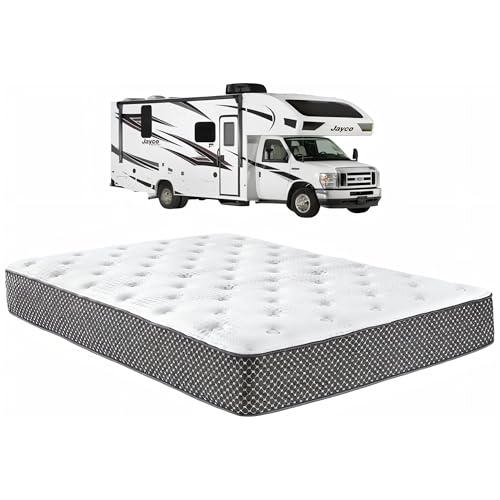
Best for side sleepers or those who prefer a plush, hugging feel without sacrificing support. The 12″ hybrid features five cooling layers, including gel memory foam and pocketed coils, delivering plush-medium contour and strong spinal alignment. Suitable for year-round RV use and warm climates where temperature control matters most.
Who it’s for: Side or combo sleepers seeking a soft yet supportive surface. Caution: Increased height may require deeper bed frames or clearance checks in compact RVs.
Celestial Sleep 8 Inch RV Short Queen Mattress

Best for budget-conscious buyers needing straightforward comfort and easy setup. This 8″ memory foam mattress is cooling and firm, with a simple multi-layer structure designed for stable support. It’s an excellent option for RVs with standard frames and those who want a compact, fiberglass-free option.
Who it’s for: Budget-minded buyers or RVs with limited footprint. Caution: Might feel too firm for strict side sleepers seeking deeper contouring.
Therapedic 6-inch Copper Memory Foam RV Mattress
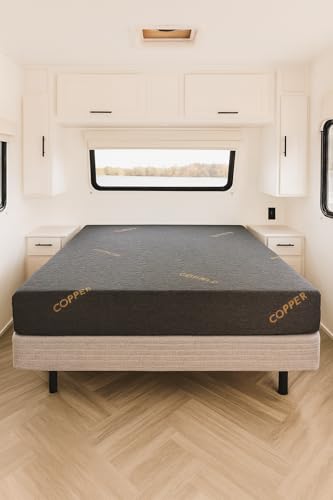
Best for compact spaces where a low-profile, cool sleep surface is preferred. The 6″ copper memory foam mattress features a copper-infused cover and cooling properties to support cooler nights. It’s a practical choice for bunk beds, trundles, or small RVs where space is at a premium.
Who it’s for: RVs with limited height or budget-focused buyers. Caution: The thinner profile may offer less edge support for restless sleepers.
Serenia Sleep Queen Mattress for RV Camper

Best for versatile RV layouts needing a traditional foam bed with durable support. The Serenia Sleep mattress uses a medium-firm foam core with a damask cover, offering even pressure relief and a stable sleep surface. Available in multiple depths to fit standard Queen RV frames and some specialty RV sizes.
Who it’s for: Buyers seeking a dependable all-around option and easy setup. Caution: Open-cell foam can feel firmer for those who prefer softer contours.
Buying Guide
What to consider when selecting a 60×80 camper mattress:
- Firmness vs. sleeping position: Side sleepers often prefer plush to mid-soft surfaces, while back sleepers may favor medium to firm support.
- Cooling technology: Gel memory foam and cooling covers help manage heat in warm climates and during summer camping.
- Height and profile: Taller or deeper mattresses can improve comfort but require compatible bed frames and clearance in tight RV spaces.
- Core construction: Hybrid models with coils reduce motion transfer, while all-foam options offer body contouring and lighter feel.
- Certifications and safety: Look for CertiPUR-US, Oeko-Tex, or fiberglass-free labeling for healthier sleep surfaces.
- Maintenance and durability: Consider edge support, ease of unboxing, and how well the cover handles heat and humidity.
What matters most for RV bedding?
Durability and size compatibility are critical for 60×80 RV beds. Choose a model with edge stability if you share the bed, and consider a cooling layer if you frequently camp in warm conditions. For bunk or compact spaces, a lower-profile mattress may simplify installation and maintenance.
Storage and setup tips
- Allow new mattresses to expand fully before use to optimize support.
- Use RV-specific bed frames or slatted bases to maximize airflow and prolong mattress life.
- Inspect for fiberglass or chemical off-gassing claims and ensure proper ventilation during first uses.
FAQ
- Q: Is a 60×80 mattress standard in most RVs? A: Yes, many RVs use standard Queen 60×80 sizing, but always verify your bed frame measurement.
- Q: Do memory foam RV mattresses stay cool? A: Gel-infused memory foam helps dissipate heat and improve cooling in many models.
- Q: Are hybrid mattresses better for motion isolation in RVs? A: Hybrid systems with pocketed coils generally reduce motion transfer, benefiting couples.
- Q: Should I choose a thicker or thinner RV mattress? A: Thicker models offer more contour and support, but require adequate clearance and frame compatibility.
- Q: Are there eco-friendly options? A: Several brands use CertiPUR-US foams and low-VOC constructions; check product specifics.
- Q: How do I know which mattress is best for me? A: Consider sleeping style, climate, and RV space constraints; compare firmness, cooling, and edge support features.