Best 30×80 RV Mattresses for Tight Bunks and Small Cabins
Answering the question “which 30 x 80 mattress is right for my RV bunk or compact trailer bed?” this guide highlights five top options that balance comfort, support, and space efficiency. Whether you’re outfitting a bunk, a camper van, or a small travel trailer, these selections prioritize compact footprints, durable construction, and pressure relief. Each product is best for specific sleeping needs, from high-density foam durability to gel-infused memory foam for heat control.
Overview of top picks:
- FoamRush 6-Inch Bunk (30″ x 80″) — best for budget-minded renovators needing moderate support and easy customization.
- Kogler 7″ Gel-Infused Memory Foam RV Mattress — best for extra height and contouring in compact bunks.
- Zinus Green Tea Memory Foam Mattress 6 Inch — best for those prioritizing eco-friendly materials and compact spaces.
- FoamRush 3-Inch Bunk (30″ x 80″) High Density Foam — best for heavy-use, high-traffic RV beds on a tight budget.
- FoamRush 7-Inch Bunk (30″ x 80″) High Density Foam — best for durable, long-lasting support in active RV setups.
FoamRush 6-Inch Bunk 30×80 Mattress
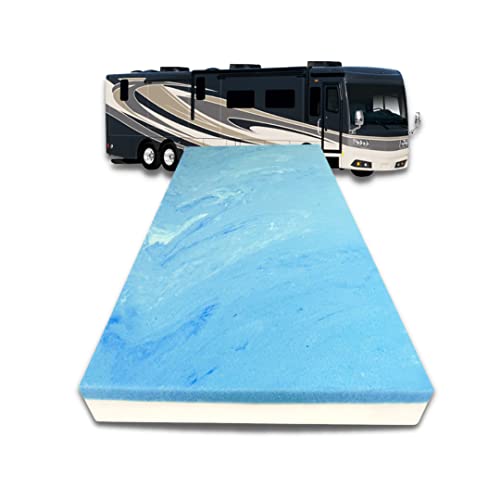
Best for: Budget-conscious buyers who want a customizable, medium-firm RV mattress with pressure relief. This model blends ventilated gel memory foam with a high-density support layer for a balanced feel. The top layer is designed to reduce heat buildup, which can be beneficial for warm climates or warm sleepers.
Why selected: Its combination of gel memory foam and support foam provides a practical blend of comfort and durability, with easy edge trimming and layering options to tailor thickness for tight bunks.
Caution: The cover is not included, so you’ll need to source a compatible cover separately. Customization requires basic DIY skills for trimming and gluing if needed.
Kogler 7″ Gel-Infused Memory Foam RV Mattress

Best for: Campers who want extra height in a compact bed without compromising space. The dual-layer design pairs a gel-infused memory foam layer with a high-density core for contouring and support, suitable for RV bunks that need a fuller sleeping surface.
Why selected: The included pillow and precise sizing address the need for a ready-to-use setup in tight spaces, while gel memory foam helps relieve pressure points during longer trips.
Caution: Slightly taller than some bunks; ensure your RV clearance accommodates a 7-inch profile to avoid interference with storage or shelving.
Zinus Green Tea Memory Foam Mattress 6 Inch

Best for: Buyers seeking an eco-friendly option with strong pressure relief for compact spaces like bunk beds and RVs. The Green Tea memory foam is designed to be breathable and supportive in smaller footprints.
Why selected: Patented zoned pressure relief and a smaller packaging footprint appeal to eco-conscious shoppers who want effective sleep solutions without sacrificing space in a compact RV environment.
Caution: This option is designed for smaller frames; if you need additional height or a firmer feel, consider a thicker model or a different density foam.
FoamRush 3-Inch Bunk 30×80 High Density Foam

Best for: Budget-friendly RV beds and high-traffic bunks where long-term durability is prioritized. High-density foam offers resilience and value for frequent use in small spaces.
Why selected: Certipur-US certification and a balance of durability and support make this option a reliable foundation for lightweight or guest-use bunks in compact RVs.
Caution: This is a thinner option; if you require more cushion, plan to add a topper or choose a thicker model.
FoamRush 7-Inch Bunk 30×80 High Density Foam
Best for: RV setups that demand long-term durability with a robust, supportive feel. The 7-inch profile provides a firmer base and extended life for busy bunks or frequently used trailers.
Why selected: High-density foam with a strong durability profile and a wider thickness helps maintain shape over time, making it suitable for heavier usage in mobile living spaces.
Caution: Slightly taller than standard bunks; verify clearance and interior space before purchase to avoid contact with overhead storage or cabinets.
Buying Guide: Key Considerations For 30×80 RV Mattresses
- Bed size and clearance: Confirm the exact bunk or bed cavity height to avoid interference with cabinets, doors, or ceiling height.
- Foam type and density: Higher density foams (1.8 lb+ and 44 ILD) offer better durability for heavy use; memory foam contours improve pressure relief but can retain heat if not ventilated.
- Thermal management: Gel-infused or ventilated designs help reduce heat buildup in warm environments or for hot sleepers.
- Allergen and safety considerations: Look for CertiPUR-US certified foams for low VOC emissions and safer materials in compact spaces.
- Mobility and installation: Some models are ready-to-use with pillows or covers; others require covers or DIY framing adjustments. Consider how you will install or mount in a moving vehicle.
- Durability vs. cost: Thicker, higher-density foams typically last longer in RV environments but may come at a higher upfront cost. Balance expected use with budget.
Frequently Asked Questions
- What is the best thickness for a 30×80 RV bunk mattress?
Answer: It depends on space and comfort needs. 6-7 inches is common for bunks where space is limited and durability is desired; 3 inches may be suitable for very tight spaces with a topper if needed. - Are gel-infused foams better for RV bunks?
Answer: Gel-infused foams can improve cooling and contouring, which helps with heat buildup in smaller sleeping areas. - Should I choose high-density foam for RV use?
Answer: Yes, high-density foam tends to be more durable and better for frequent use, though it can feel firmer initially. - Is a pillow included with these mattresses?
Answer: Some models include a pillow; many do not. Check product details to confirm what is included. - Do these mattresses require special covers?
Answer: Several options do not include a cover; acquire a compatible cover or designate a DIY solution for protection and hygiene. - Can these mattresses be cut to adjust size?
Answer: Some foam types can be cut with appropriate tools, but cutting can affect density and warranty. Follow manufacturer guidance when modifying.